Exotic Hardwood Flooring Species and How They Behave
"Exotic" in flooring mostly means imported tropical wood, though walnut is included here as the dark domestic option people compare them with. Several go by trade names, so check the botanical name on the quote.
Brazilian cherry (jatoba)
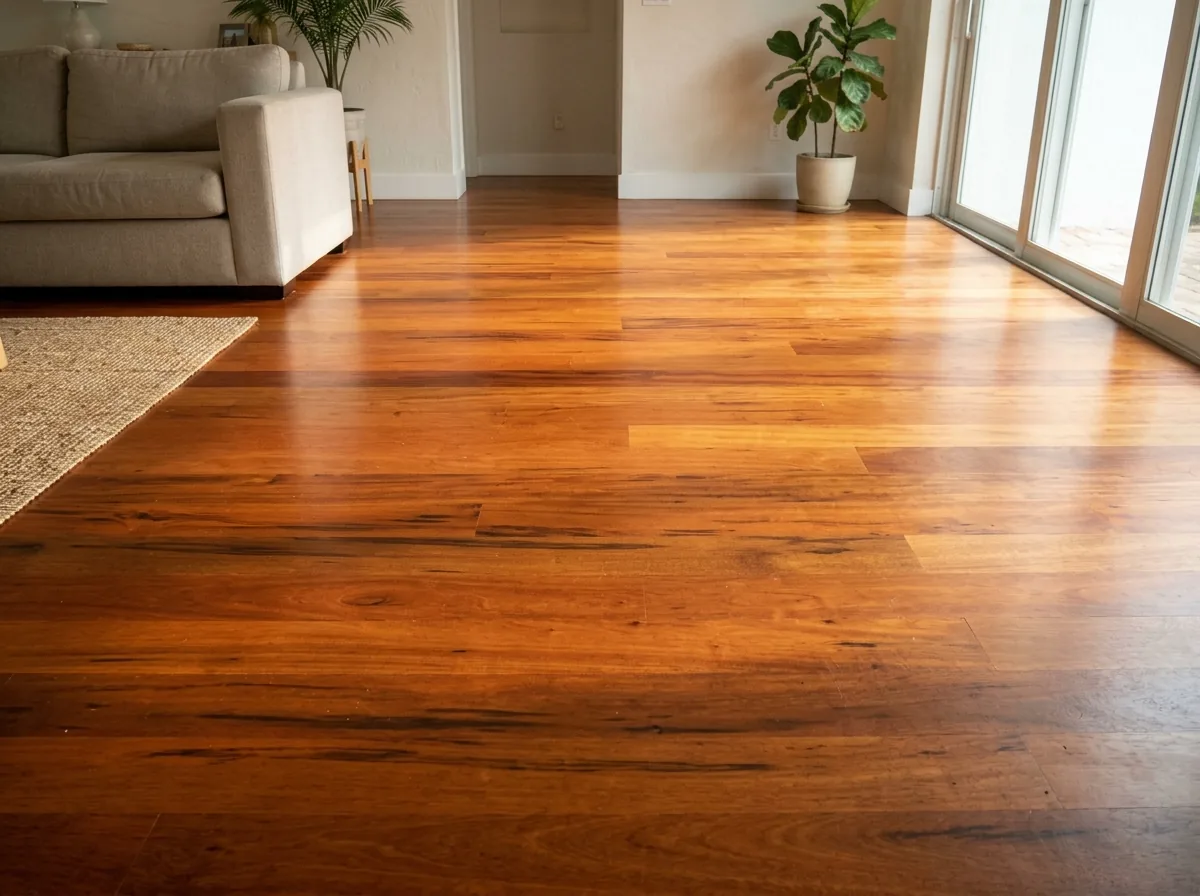
"Brazilian cherry" is a sellers' name for jatoba, which the Wood Database says has little relation to the domestic cherry tree. At 2,690 on the Janka scale it is about twice as hard as white oak. Its color runs from orange-brown to reddish brown and darkens with exposure to light. Shifting rugs and furniture now and then helps the floor color evenly. It is rated very durable and resistant to termites and most other insects. Bona's data sheet for one waterborne finish warns that results vary on "oily and resinous exotic species" and calls for a test area, which is worth asking for here.
Brazilian walnut (ipe)
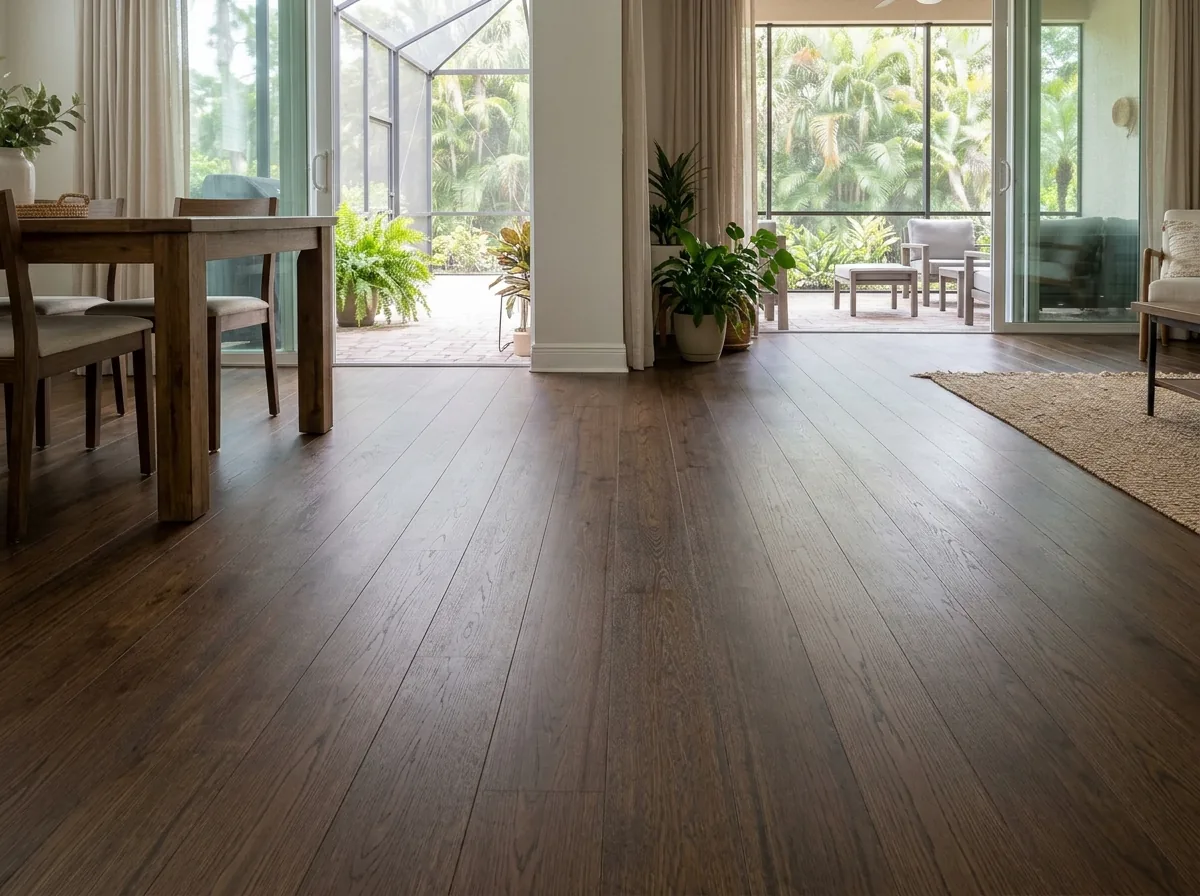
Ipe, sold as "Brazilian walnut," is not a walnut at all, the Wood Database notes, and at 3,490 it is the hardest wood on this page. Its heartwood ranges from reddish brown to olive or near-black brown. It is mostly sold as decking or flooring, and its price is described as medium for an imported tropical wood. HomeGuide puts it at $8 to $14 a square foot for materials, Bob Vila at $11 to $20. That hardness means slower cutting and nailing, which shows up in the labor line.
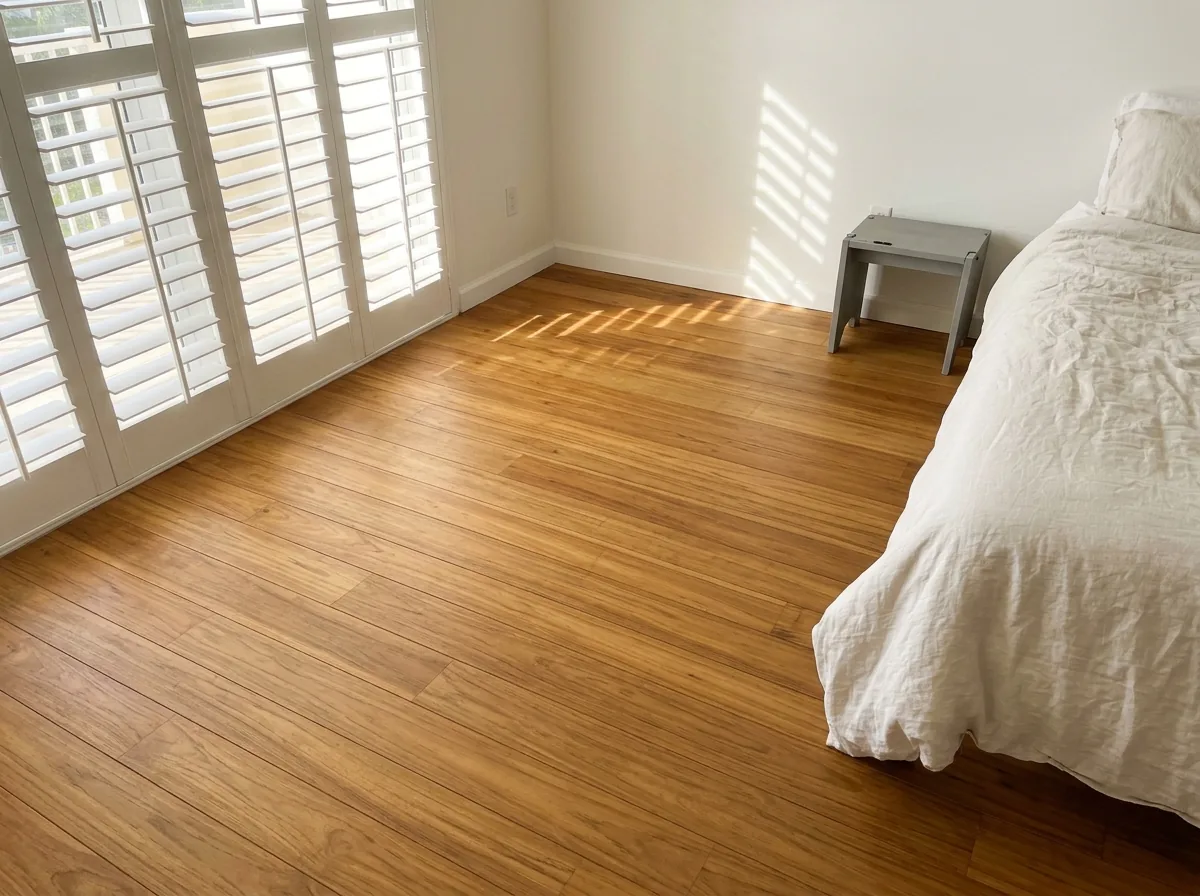
Teak
Teak is chosen for color and water tolerance, not hardness. The Wood Database rates it at 1,070 on the Janka scale, softer than both oaks, and calls it many people's "gold standard for decay resistance." Raw teak has an oily feel from its natural oils, and its golden to medium brown darkens with age. Bob Vila prices teak flooring at $11 to $20 a square foot for materials. Because of the oil, ask the installer which finish has been tested on teak before it is sanded and coated.
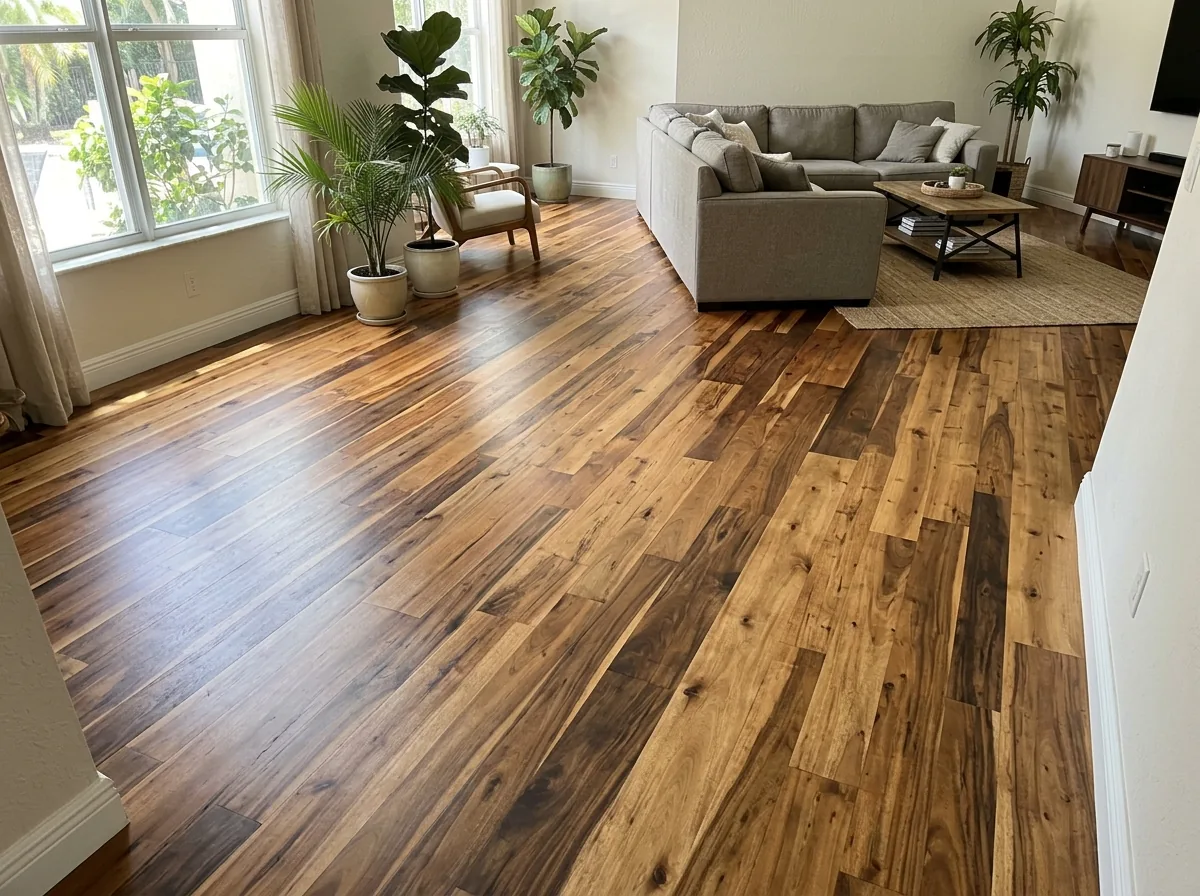
Acacia
Bob Vila lists acacia among the popular engineered floor options, and Fixr describes it as medium to dark in color and fast-growing. Fixr puts acacia boards at $2.90 to $5.25 a square foot, well under the other species here. The catch is the name: the Wood Database counts nearly 1,000 species in the acacia genus, so "acacia" alone tells you little about hardness. Ask for the botanical name before comparing two quotes.
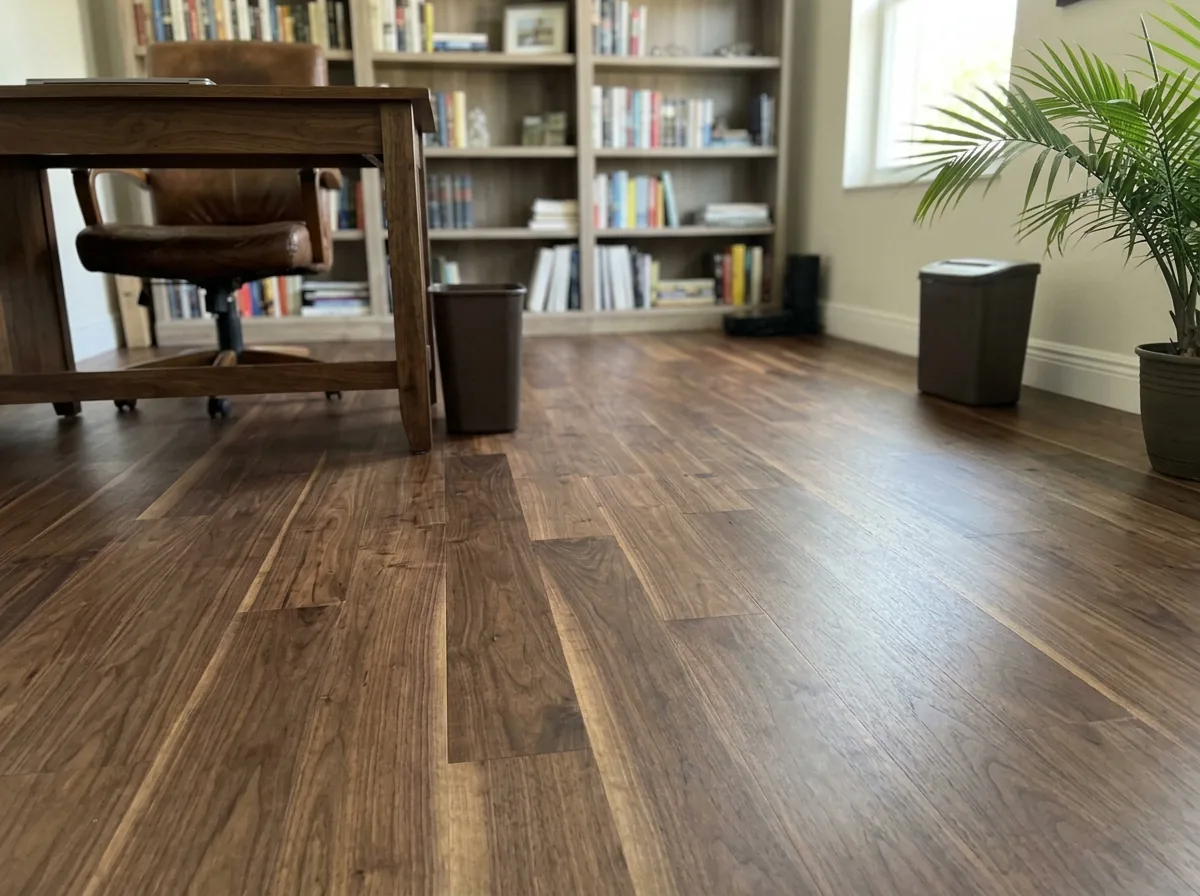
American black walnut
Black walnut is the domestic dark wood, and the softest species on this page at 1,010 on the Janka scale. The Wood Database calls it a premium domestic hardwood and rates it very durable against decay, though open to insect attack. Expect it to show dents in a busy hallway sooner than ipe or jatoba would. It suits bedrooms and studies better than an entry off the pool deck.
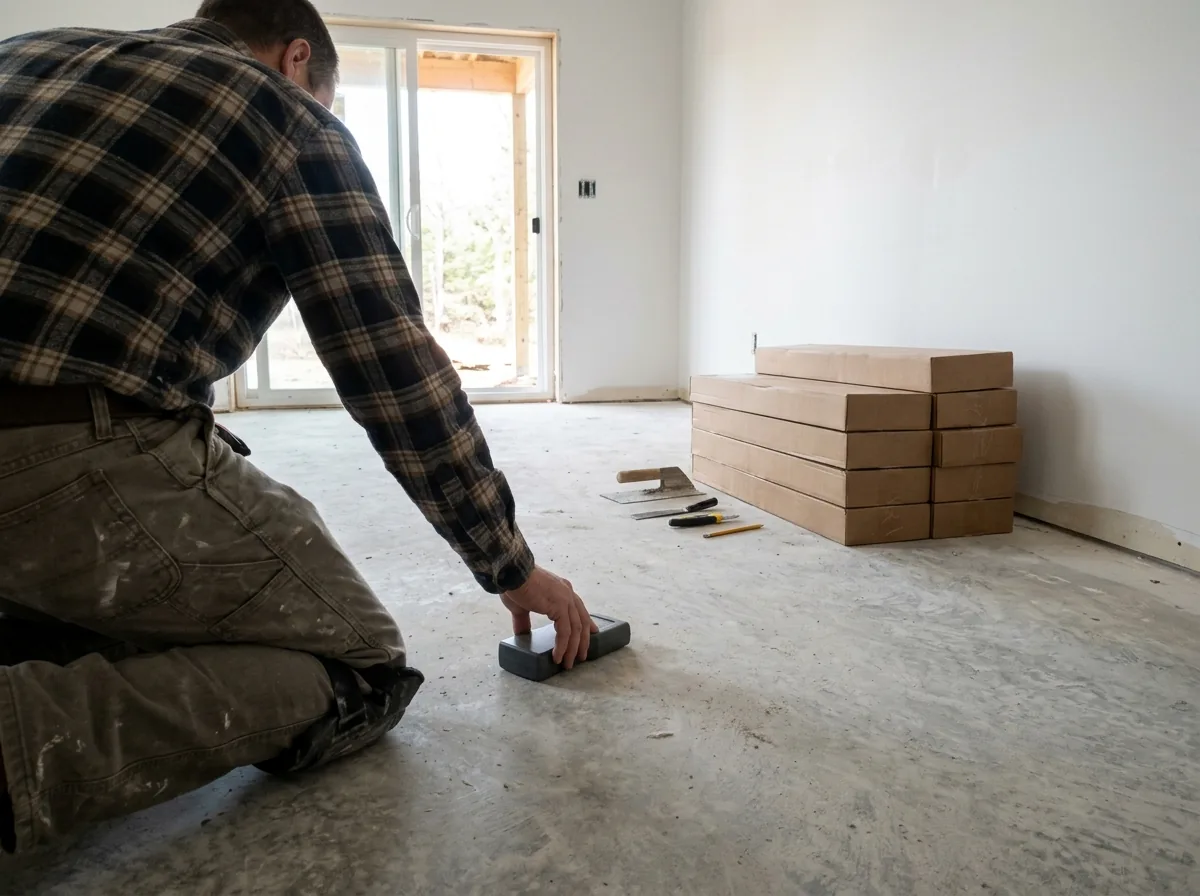
Why Pompano Beach homeowners call Pompano Wood Flooring
- One local flooring contractor calls back, not a bidding list
- Asking costs nothing and commits you to nothing
- Ask for the slab moisture readings in writing
- Florida doesn't license flooring: ask for the business tax receipt and insurance certificates
Janka Hardness of Exotic and Domestic Floor Species
The Wood Database describes the Janka test as the force needed to push a 0.444-inch steel ball halfway into the wood's side grain, so a higher number means more resistance to dents. These are the Wood Database's figures, in pounds-force:
Ipe (Brazilian walnut)
3,490.Jatoba (Brazilian cherry)
2,690.Shagbark hickory
1,880.Hard maple
1,450.American white oak
1,350; see white oak flooring.Red oak
1,220.Teak
1,070.American black walnut
1,010.
Harder isn't automatically better. A floor at the top of the list resists dents from dropped pans and pet claws, but it costs more to cut and fasten, and nail-down jobs can need pre-drilling. On a slab, engineered planks with an exotic face are the safer format (why). See solid hardwood flooring for where solid boards work.
Buying Imported Hardwood: Species and Origin Papers
Under the US Lacey Act, it is illegal to import any illegally harvested plant or plant product, and wood flooring is a plant product. The USDA's import agency tells importers to get the scientific name of each plant product and where it was harvested from their suppliers. You aren't the importer, but the same two facts protect you: ask for the botanical name and the country of harvest on the quote or invoice. It also makes it harder for a cheaper lookalike to arrive under the same trade name.